

Struggling with stubborn hair growth that resists your daily routine can be more than a hassle—it can affect your confidence and skin health. For many Australian adults, finding a safe approach that respects individual needs is a priority, not a luxury. By combining medical expertise with a personalised assessment of hair and skin characteristics, laser hair removal offers a solution focused on real results, not cosmetic shortcuts.
Table of Contents
- Step 1: Assess Skin Type And Hair Growth Patterns
- Step 2: Prepare Skin For Laser Treatment
- Step 3: Adjust Laser Settings For Personalised Care
- Step 4: Perform Precise Laser Hair Removal Session
- Step 5: Evaluate And Care For Skin Post-Treatment
Quick Summary
| Key Insight | Explanation |
|---|---|
| 1. Understand your skin and hair | Assess skin tone, hair thickness, and growth patterns for effective treatment planning. |
| 2. Prepare skin properly before treatment | Follow pre-treatment guidelines to optimise safety and effectiveness, including avoiding sun exposure and hair removal methods. |
| 3. Personalise laser settings for effectiveness | Ensure laser settings are tailored to your unique characteristics for safe and effective hair removal outcomes. |
| 4. Follow post-treatment care instructions | Adhere to skin care recommendations post-treatment to promote healing and improve results, including sun protection. |
| 5. Communicate with your clinician | Maintain open dialogue during treatment for real-time adjustments as needed, enhancing your comfort and results. |
Step 1: Assess skin type and hair growth patterns
Laser hair removal requires a precise understanding of your unique skin and hair characteristics. Hair growth cycle assessment is crucial for designing an effective, personalised treatment strategy that maximises results while minimising potential risks.
The assessment involves carefully examining three key factors that determine your hair removal approach:
- Skin tone and sensitivity levels
- Hair thickness and density
- Specific hair growth patterns across different body regions
Medical professionals typically evaluate these aspects through a comprehensive clinical examination. Hair characteristics evaluation involves detailed analysis of hair follicle activity, distribution, and potential underlying medical conditions that might impact treatment effectiveness.
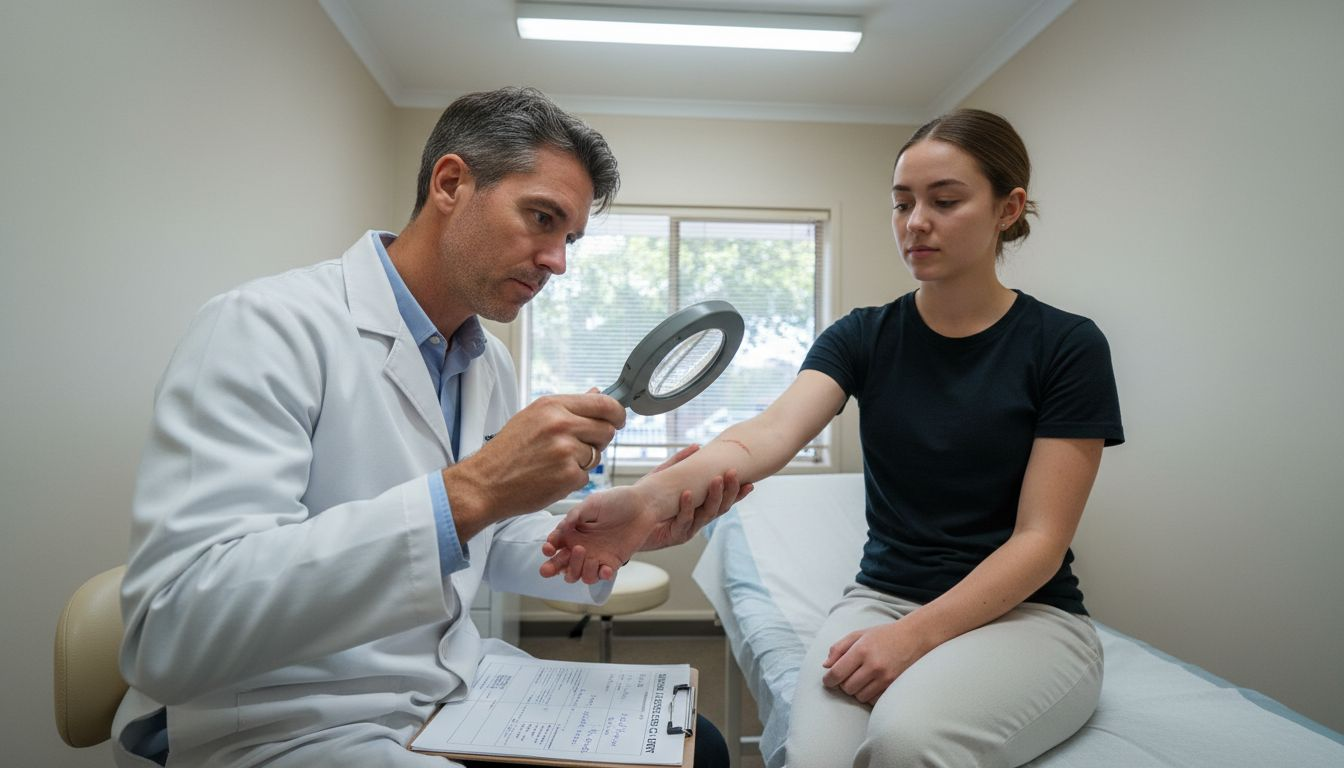
To better understand how skin and hair characteristics impact laser hair removal, consider this comparison of typical skin types and hair features:
| Skin Type | Common Sensitivity | Typical Hair Thickness | Treatment Precautions |
|---|---|---|---|
| Fair | Often low | Fine to medium | Lower laser settings |
| Olive | Moderate | Medium to thick | Test patch required |
| Dark | High | Thick and curly | Cooling gel advised |
| Sensitive | Very high | Variable | Extra monitoring |
By understanding your individual hair growth cycle, clinicians can strategically target hairs during their active growth phase (anagen), which provides the most effective laser treatment outcomes. The assessment helps determine precise laser settings tailored to your specific skin and hair type.
Personalised evaluation is key: No two skin types are identical, and your laser hair removal strategy should reflect your unique physiological characteristics.
Pro tip: Avoid sun exposure and remove any fake tan before your initial assessment to ensure the most accurate skin type evaluation.
Step 2: Prepare skin for laser treatment
Preparing your skin correctly is crucial for successful laser hair removal and ensuring optimal treatment outcomes. Pre-treatment skin preparation involves several critical steps that maximise laser effectiveness and minimise potential complications.
Your preparation checklist should include:
- Stop hair removal methods like waxing or plucking for 4-6 weeks before treatment
- Shave treatment areas carefully within 24 hours of your appointment
- Clean skin thoroughly removing all makeup, lotions, and skincare products
- Avoid sun exposure and fake tanning for at least two weeks prior
Medical professionals emphasise the importance of thorough skin evaluation before treatment. This involves checking for any skin infections, wounds, or potential contraindications that might impact your laser hair removal procedure.
Proper skin preparation is not just about aesthetics – it’s about creating the safest, most effective treatment environment for your unique skin type.
Pro tip: Bring a clean, white towel to your appointment and wear loose, comfortable clothing that allows easy access to treatment areas.
Step 3: Adjust laser settings for personalised care
Achieving successful laser hair removal demands precise calibration of equipment tailored to your unique physiological characteristics. Laser device parameter adjustment requires careful consideration of multiple individual factors to ensure safe and effective treatment.
Key parameters your clinician will carefully adjust include:
- Wavelength selection matching your specific hair and skin pigmentation
- Pulse duration optimised for targeting hair follicles
- Energy intensity calibrated to minimise skin damage
- Spot size customised for treatment area specifics
Continuous treatment assessment allows real-time modifications to maximise results and minimise potential risks. The goal is creating a treatment approach that works harmoniously with your body’s unique characteristics, addressing your specific hair removal needs while protecting your skin’s health.
Personalised laser settings are not a one-size-fits-all approach – they’re a carefully crafted strategy designed specifically for you.
Pro tip: Ask your clinician to explain each parameter adjustment and how it relates to your individual skin and hair type during the treatment.
Step 4: Perform precise laser hair removal session
The laser hair removal session is a meticulously planned procedure designed to target unwanted hair with precision and care. Systematic laser hair removal involves a comprehensive approach that ensures your comfort and maximises treatment effectiveness.
Key steps during the treatment include:
- Wear protective eyewear to shield your eyes from laser light
- Apply cooling gel to minimise skin discomfort
- Systematically cover treatment areas with overlapping laser pulses
- Target hair follicles during their active growth phase
- Monitor skin response throughout the session
Your clinician will carefully move the laser handpiece across the treatment area, ensuring complete coverage while maintaining consistent energy and precision. The process targets hair follicles during their active growth phase, which helps achieve more effective and long-lasting hair reduction.
Each pulse of the laser is a strategic intervention designed to interrupt hair growth at its source, tailored specifically to your unique skin and hair characteristics.
Pro tip: Communicate openly with your clinician about any sensations or discomfort during the treatment to help them adjust settings in real-time.
Step 5: Evaluate and care for skin post-treatment
The final stage of laser hair removal involves careful post-treatment skin monitoring and strategic care to support optimal healing and results. Comprehensive post-laser skin care requires a methodical approach to protect and nurture your skin.
Key post-treatment care strategies include:
- Avoid direct sun exposure for at least two weeks
- Apply broad-spectrum sunscreen with high protection
- Use gentle, fragrance-free moisturisers
- Monitor treatment areas for any unusual reactions
- Keep skin clean and hydrated
Skin healing protocols emphasise the importance of nutritional support and careful observation. Your clinician will likely schedule follow-up visits to assess skin response, manage any potential side effects, and determine the timing of subsequent treatment sessions.
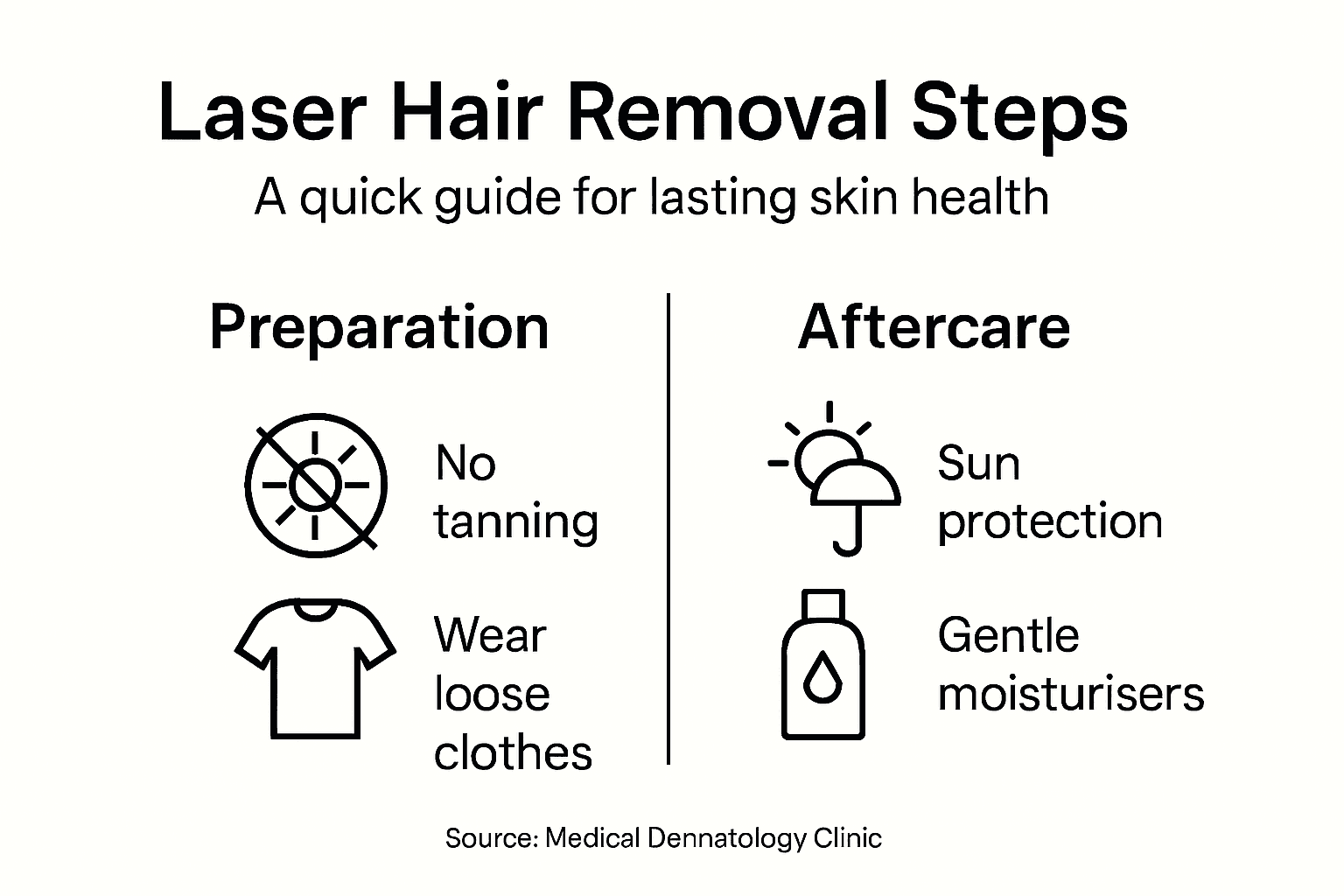
Here is a summary of post-treatment care and the expected recovery timeline for optimal results:
| Care Strategy | Recommended Duration | Expected Benefit |
|---|---|---|
| Avoid direct sun exposure | At least 2 weeks | Prevents pigmentation changes |
| Use high SPF sunscreen | Daily after treatment | Shields healing skin |
| Apply fragrance-free lotion | 1 week minimum | Reduces irritation |
| Monitor for unusual reactions | Continuous | Early issue detection |
Successful post-treatment care is not just about recovery – it’s about creating the optimal environment for long-term skin health and hair reduction.
Pro tip: Consider taking progress photos during your treatment journey to track subtle changes and discuss them with your clinician.
Unlock Lasting Skin Health with Expert Laser Hair Removal
Laser hair removal is more than a quick fix for unwanted hair. It requires a deep understanding of your unique skin tone, hair growth cycle, and individual sensitivities to ensure effective and safe treatment. At AK Skin Clinics, we specialise in personalised laser therapies that prioritise your skin’s health and integrity throughout every step—from precise assessment through to tailored aftercare.
Our medically informed approach addresses challenges like skin sensitivity, hair thickness variability, and post-treatment care with absolute care and precision. Explore how our comprehensive Care – AK Skin Clinics solutions support your journey toward smoother, healthier skin.
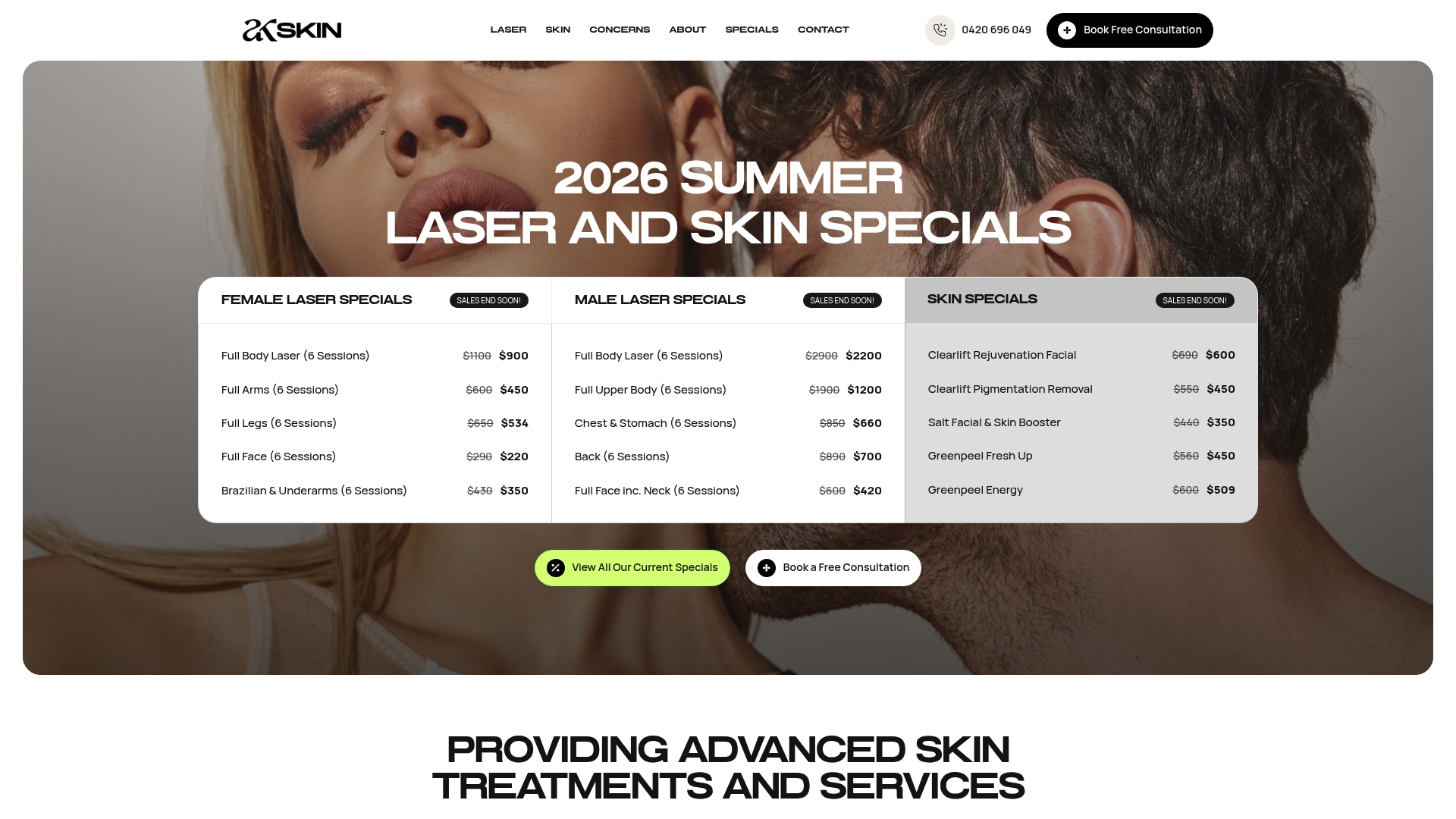
Don’t settle for generic laser treatments that risk irritation or ineffective results. Choose a clinic that values your skin biology and long-term wellbeing. Visit AK Skin Clinics now to book a thorough consultation and personalised treatment plan. Experience the confidence that comes from skin health done right.
Frequently Asked Questions
What should I do to prepare my skin for laser hair removal?
To prepare your skin for laser hair removal, stop using hair removal methods like waxing or plucking for 4–6 weeks prior to treatment. Shave the treatment areas within 24 hours of your appointment to ensure effective results.
How can I assess my skin type and hair growth patterns before laser treatment?
You can assess your skin type and hair growth patterns by consulting with a qualified medical professional. During a comprehensive evaluation, they will examine your skin tone, hair thickness, and specific hair growth patterns to create a personalised treatment plan.
What adjustments are made to the laser settings during treatment?
The clinician adjusts the laser settings based on your unique skin and hair characteristics, including wavelength selection, pulse duration, energy intensity, and spot size. Engaging in this calibration helps target hair follicles effectively and minimise skin damage, ensuring optimal results.
How should I care for my skin after laser hair removal?
Post-treatment, avoid direct sun exposure for at least two weeks and apply a broad-spectrum sunscreen daily. Use gentle, fragrance-free moisturisers to keep your skin hydrated and monitor treatment areas for any unusual reactions to ensure healthy recovery.
How long does it take to see results from laser hair removal?
Typically, you can begin to see noticeable results from laser hair removal within a few weeks, as hair falls out during its growth cycle. Schedule follow-up appointments as recommended to assess progress and plan for any subsequent treatments to maximise your results.
What are the common side effects of laser hair removal?
Common side effects of laser hair removal may include temporary redness, swelling, or mild discomfort in the treated areas. Ensure to monitor your skin’s response after treatment and communicate with your clinician if you notice any unusual reactions.