

Uneven skin tone, lingering acne marks, or fine lines can leave many Australians feeling self-conscious about their appearance and searching for genuine long-term answers. With modern lifestyles and Australia’s strong sun, concerns like pigmentation, wrinkles, and sun damage are common for adults in their thirties and forties. Laser skin resurfacing uses targeted laser beams to precisely remove damaged skin while heating the underlying layers to stimulate new collagen production for smoother, firmer, and more radiant skin. Discover how personalised laser solutions offer both precision and lasting transformation tailored to your unique needs.
Table of Contents
- What Is Laser Resurfacing Treatment?
- Types of Laser Resurfacing Technologies
- How Laser Resurfacing Improves Skin
- Eligibility and Customisation in Australia
- Risks, Costs, and Recovery Considerations
Key Takeaways
| Point | Details |
|---|---|
| Understanding Laser Resurfacing | Laser resurfacing effectively rejuvenates skin by removing damaged layers and stimulating collagen production with minimal invasiveness. |
| Types of Treatments | There are two primary laser types: ablative for deeper skin issues and non-ablative for milder concerns, each offering distinct benefits. |
| Eligibility and Customisation | A comprehensive skin assessment is crucial to determine an appropriate treatment plan tailored to individual skin types and concerns. |
| Risks and Costs | Awareness of potential risks, recovery times, and costs is essential for patients to make informed decisions about laser resurfacing. |
What Is Laser Resurfacing Treatment?
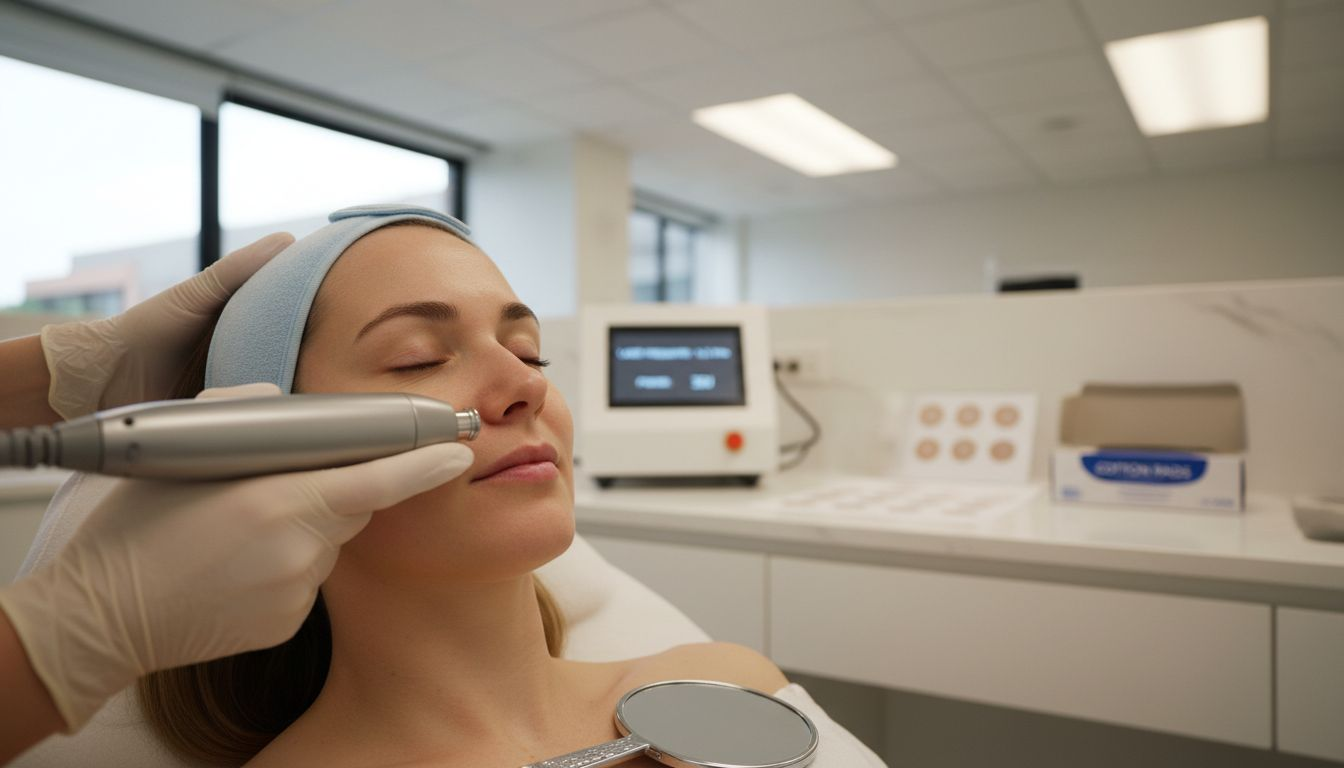
Laser resurfacing is an advanced skin rejuvenation technique that precisely removes damaged skin layers while stimulating natural healing processes. Using concentrated light energy, this treatment targets specific skin concerns with remarkable accuracy and minimal invasiveness. Laser skin resurfacing uses targeted laser beams to reveal smoother, healthier skin underneath damaged surface layers.
The treatment works by strategically removing outer skin layers and generating controlled thermal injury, which triggers the body’s natural collagen production. This process enables comprehensive skin renewal, addressing multiple aesthetic and functional skin concerns simultaneously. Key treatment targets include:
- Fine lines and wrinkles
- Uneven skin tone and texture
- Acne scarring
- Sun damage
- Pigmentation irregularities
- Surface-level skin imperfections
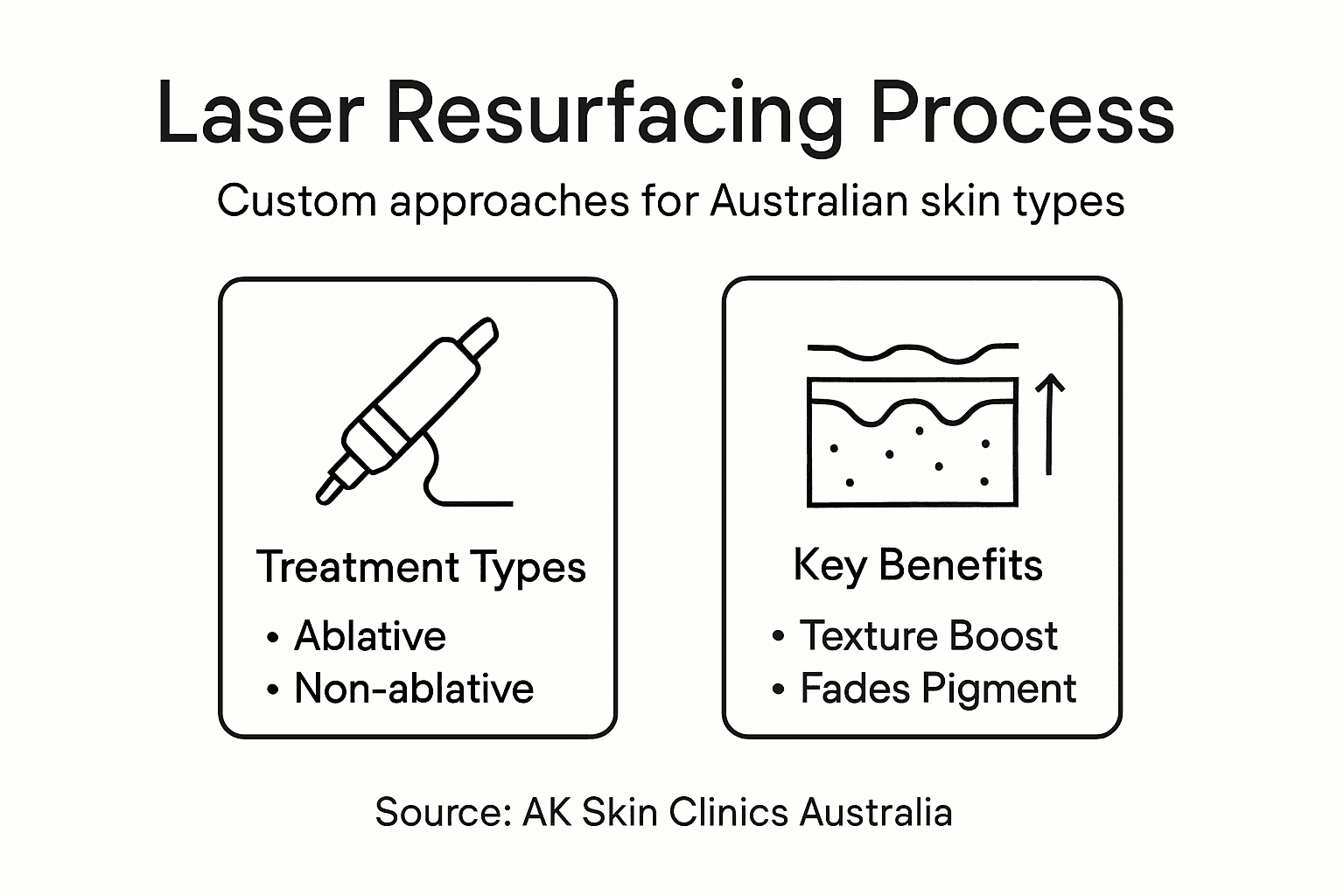
Modern laser resurfacing techniques fall into two primary categories: ablative and non-ablative treatments. Ablative lasers completely remove the outer skin layer, providing more dramatic results but requiring longer recovery. Non-ablative lasers work beneath the skin’s surface, generating collagen and cellular renewal with minimal surface disruption.
Laser wavelengths and intensities are carefully calibrated to match specific skin types and concerns, ensuring a personalised approach that minimises potential side effects. Professional clinicians assess individual skin characteristics, considering factors like skin tone, texture, and underlying health conditions to design the most effective treatment strategy.
Precision is paramount in laser resurfacing – each pulse of light is carefully calculated to target specific skin layers without causing unnecessary damage.
Pro tip: Always consult with a qualified skin professional who can assess your unique skin profile and recommend the most appropriate laser resurfacing technique for your specific needs.
Types of Laser Resurfacing Technologies
Laser resurfacing technologies represent a sophisticated approach to skin renewal, with multiple advanced laser techniques designed to address diverse skin concerns. These innovative treatments can be broadly categorised into two primary types: ablative and non-ablative laser systems, each offering unique benefits for skin rejuvenation.
Ablative Laser Technologies are the more intensive treatment option, involving direct removal of damaged skin layers. These lasers include:
- Carbon dioxide (CO2) lasers
- Erbium lasers
- Fractional ablative lasers
Characteristics of ablative treatments include:
- More dramatic skin transformation
- Deeper skin layer remodelling
- Longer recovery periods
- Significant reduction of deep wrinkles and severe skin imperfections
Non-Ablative Laser Technologies provide a gentler approach to skin renewal. These treatments work by heating underlying skin tissues without removing the surface layer. Key features include:
- Minimal downtime
- Subtle, progressive improvements
- Stimulation of natural collagen production
- Less invasive compared to ablative methods
Fractional Laser Technologies represent a breakthrough, combining advantages of both ablative and non-ablative approaches. By treating microscopic skin columns and preserving surrounding tissue, these lasers enable faster healing and reduced side effects.
Here’s how ablative, non-ablative, and fractional laser technologies compare at a glance:
| Technology Type | Typical Downtime | Key Advantages | Suitability |
|---|---|---|---|
| Ablative | 1-2 weeks recovery | Most dramatic results | Deep wrinkles, severe damage |
| Non-Ablative | Minimal; few days | Gradual improvement, low risk | Mild-moderate concerns |
| Fractional | Days to a week | Faster healing, fewer effects | Both moderate and severe cases |
Precision and personalisation are the hallmarks of modern laser resurfacing technologies, allowing targeted treatment for individual skin concerns.
Pro tip: Consult a professional skin specialist to determine the most appropriate laser technology for your specific skin type and aesthetic goals.
How Laser Resurfacing Improves Skin
Laser skin resurfacing technologies offer a transformative approach to skin renewal, targeting multiple skin concerns through precise and controlled treatment mechanisms. By strategically removing damaged outer skin layers and stimulating underlying tissue regeneration, these advanced treatments can dramatically improve overall skin quality and appearance.
Skin Improvement Mechanisms include:
- Precise removal of damaged skin cells
- Stimulation of natural collagen production
- Enhanced cellular turnover
- Reduction of pigmentation irregularities
- Smoothing of fine lines and wrinkles
Specific Skin Improvements:
- Texture Refinement: Lasers break down irregular skin surfaces, promoting smoother, more uniform skin texture
- Pigmentation Correction: Targeted energy helps reduce sun spots, age spots, and uneven skin tone
- Wrinkle Reduction: Heat stimulation encourages collagen remodelling, minimising fine lines and deeper wrinkles
Collagen Regeneration represents a critical aspect of laser resurfacing’s effectiveness. The controlled thermal injury triggers the body’s natural healing response, encouraging new collagen and elastin production. This process helps restore skin’s structural integrity, resulting in firmer, more resilient skin with improved elasticity.
Laser resurfacing doesn’t just treat surface-level concerns – it fundamentally remodels skin at a cellular level.
Pro tip: Combine laser treatments with comprehensive skincare and sun protection to maximise and maintain your skin transformation results.
Eligibility and Customisation in Australia
Laser resurfacing treatments in Australia demand a highly personalised approach, recognising that no two skin types are identical. Professional practitioners carefully assess individual skin characteristics, medical history, and aesthetic goals to determine the most appropriate laser treatment strategy.
Patient Eligibility Criteria typically include individuals with:
- Mild to moderate skin imperfections
- Sun damage and pigmentation concerns
- Fine lines and early signs of ageing
- Superficial acne scarring
- Uneven skin texture
Exclusion Factors that may impact laser resurfacing suitability:
- Active skin infections
- Extremely dark skin tones
- Ongoing inflammatory skin conditions
- Recent isotretinoin treatment
- Compromised immune systems
- Keloid scarring history
Customisation Considerations involve:
- Skin Type Assessment: Determining precise laser wavelength and intensity
- Treatment Intensity: Selecting ablative or non-ablative approaches
- Healing Potential: Evaluating individual skin regeneration capacity
- Lifestyle Factors: Considering sun exposure and skincare routines
Australian skin clinics prioritise patient safety through thorough pre-treatment consultations and comprehensive risk assessments.
Pro tip: Schedule a comprehensive skin consultation to understand your unique laser resurfacing potential and develop a tailored treatment plan.
Risks, Costs, and Recovery Considerations
Laser resurfacing recovery requires careful management and realistic expectations about potential side effects, healing timeframes, and investment. Understanding the comprehensive landscape of risks, financial considerations, and recovery protocols is essential for anyone considering this advanced skin treatment.
Potential Treatment Risks include:
- Temporary skin redness and sensitivity
- Potential pigmentation changes
- Minor swelling and bruising
- Rare instances of scarring
- Infection risk
- Prolonged healing in sensitive skin types
Recovery Timeline Expectations:
- Initial Healing: 5-14 days of active skin regeneration
- Redness Management: Potential lingering redness for weeks to months
- Skin Sensitivity Period: Approximately 4-6 weeks of increased skin vulnerability
- Full Results Manifestation: 3-6 months for complete skin remodelling
Cost Considerations vary based on multiple factors:
Below are major factors that influence the final cost and recovery for laser resurfacing in Australia:
| Factor | Impact on Cost | Impact on Recovery |
|---|---|---|
| Treatment complexity | More areas = higher price | May increase downtime |
| Laser technology used | Advanced lasers cost more | Determines healing speed |
| Practitioner expertise | Specialist fees increase | Often leads to safer care |
| Clinic location | Urban clinics charge more | No direct effect |
- Treatment complexity
- Laser technology selected
- Skin area being treated
- Clinic location and practitioner expertise
- Number of required sessions
Australian laser resurfacing treatments prioritise patient safety and tailored approaches over generic, one-size-fits-all solutions.
Pro tip: Budget for potential multiple treatment sessions and include comprehensive aftercare products in your overall treatment financial planning.
Discover Personalised Laser Resurfacing Solutions at AK Skin Clinics
If you are facing challenges like uneven skin texture, pigmentation irregularities, or early signs of ageing, precision laser resurfacing could be your path to real, lasting improvement. At AK Skin Clinics, we understand the complexity of Australian skin and the need for customised approaches rather than one-size-fits-all treatments. Our focus on safety, clinical methodology, and progressive collagen stimulation ensures every session helps rebuild clearer, healthier skin.
Explore our range of tailored treatments in the Care – AK Skin Clinics category to begin your skin transformation journey. Take the first step today by scheduling a comprehensive consultation at AK Skin Clinics where expert practitioners will design a laser resurfacing plan suited uniquely to your skin type and goals. Do not wait to invest in a personalised solution that balances integrity, measurable results, and long-term skin health.
Frequently Asked Questions
What is laser resurfacing treatment?
Laser resurfacing is an advanced skin rejuvenation technique that removes damaged skin layers using concentrated light energy. It targets various skin concerns such as fine lines, uneven skin tone, acne scarring, and sun damage, promoting natural healing and collagen production.
What are the main types of laser resurfacing technologies?
The two primary types of laser resurfacing technologies are ablative and non-ablative. Ablative lasers remove outer skin layers for more dramatic results but require longer recovery. Non-ablative lasers work beneath the skin surface, offering gradual improvement with minimal downtime. Fractional lasers combine these approaches for faster healing.
How does laser resurfacing improve skin quality?
Laser resurfacing improves skin quality by removing damaged skin cells, stimulating collagen production, enhancing cellular turnover, and reducing pigmentation irregularities. This leads to smoother texture, corrected pigmentation, and reduced fine lines and wrinkles.
What should I expect during the recovery period after laser resurfacing?
Recovery from laser resurfacing typically involves an initial healing period of 5-14 days, with potential skin redness and sensitivity lasting weeks to months. It’s essential to manage these effects and understand that full results may take 3-6 months to manifest.